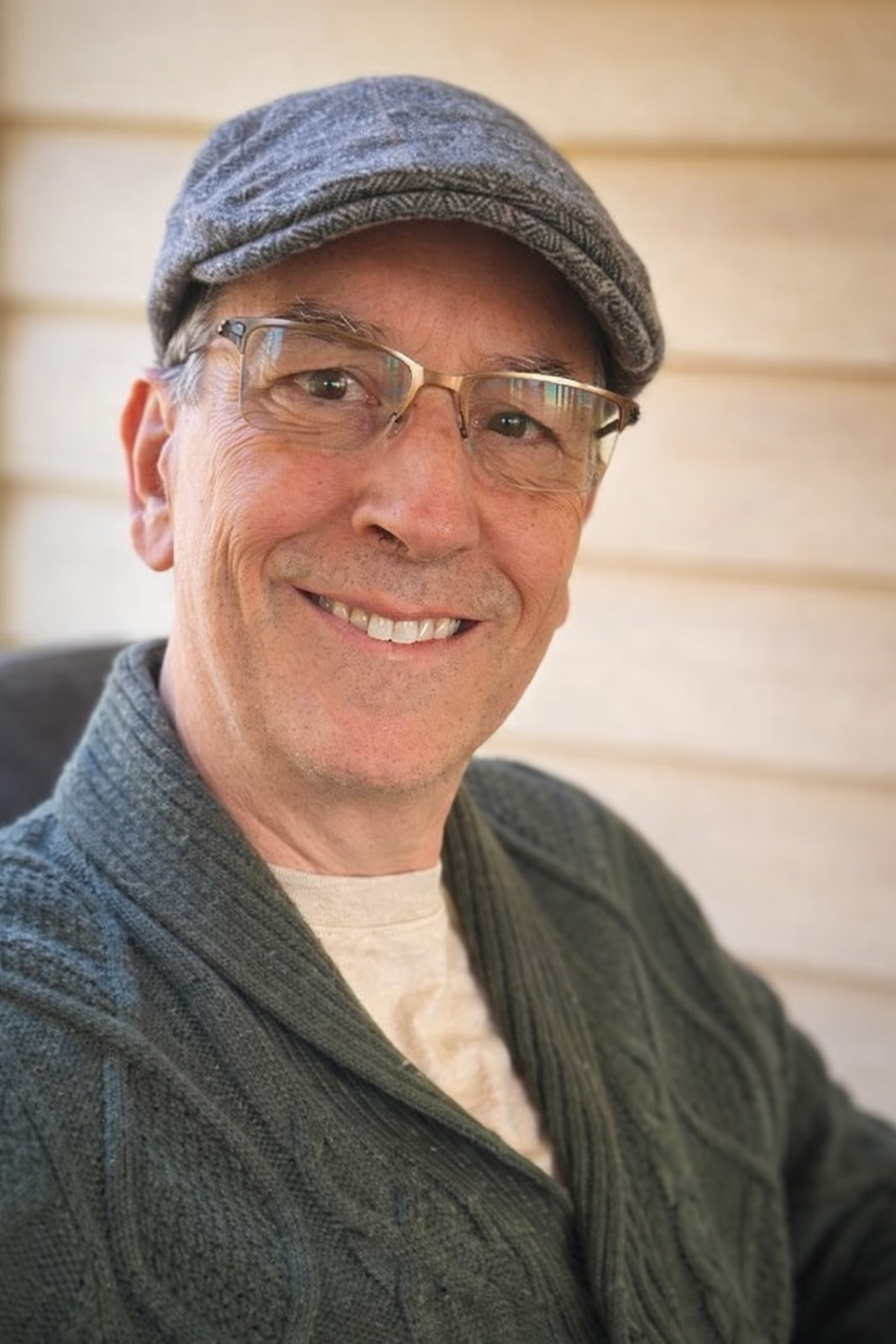
I am standing in this moment not as a reaction, but as a formation.
What I learned in the church — painfully, slowly, and without asking for the lesson — I now recognize playing out across our wider culture. The scale is larger, the stakes louder, but the dynamics are the same: systems that depend on restraint, coalitions that prize stability over truth, and communities that quietly ask their most faithful members to carry what others cannot or will not hold.
For years, I trusted that long witness would speak for itself. That presence, care, and restraint would create a reservoir deep enough to hold one honest moment of exhaustion or grief. I believed that integrity, practiced patiently over time, would be met with curiosity when it finally spoke its own need.
Instead, when I spoke — not in accusation, not in blame, but in vulnerable honesty — the response was alarm. Trust, I learned, can fracture when it has been built on unspoken agreements: stay steady, don’t disrupt, keep carrying the weight. When the carrier finally sets the load down, the system panics.
That rupture marked a threshold for me. Not between faith and doubt. Not between engagement and withdrawal. But between two ways of being faithful: one armored and self-erasing, the other unarmored and alive.
What once felt like failure now reveals itself as training.
Because what I encountered there — the fear of honest emotion, the reframing of vulnerability as threat, the eclipsing of long faithfulness by a single moment of disruption — is now everywhere. In our politics. In our public discourse. In the ways we reward extremes and punish nuance, celebrate certainty and distrust humility, mistake loudness for strength and restraint for weakness.
The temptation in such a moment is strong:
• To harden in self-protection
• To retreat into silence
• To match the volume of the age
• Or to disappear into watchfulness, mistaking vigilance for faithfulness
I choose another way.
I stand in how I am — grounded, open, and unarmored.
Grounded, because I no longer outsource my worth or discernment to systems that cannot metabolize truth or tenderness. I know what I have carried. I know what has shaped me. I trust the slow work that has been done in me.
Open, because bitterness would cost me more than misunderstanding ever could. I refuse to let disappointment shrink my capacity for compassion, curiosity, or connection — even toward those whose fear or power I cannot agree with.
Unarmored, because armor promises safety but exacts a hidden price. It numbs, distances, and quietly deforms the soul. I would rather remain permeable and wise than protected and closed.
This stance does not require me to absorb everything.
It does not require me to fix what is not mine.
It does not require me to prove my ethics through exhaustion or my worth through endurance.
It asks something quieter — and harder.
To honor each moment with love, integrity, and care.
To stay present without being consumed.
To speak truth without spectacle.
To remain human in systems that reward hardness.
This is not naïveté. It is discernment shaped by cost.
I no longer measure faithfulness by how much I can tolerate or how long I can endure without breaking. I measure it by whether I am still alive inside — still capable of joy, still responsive to beauty, still willing to meet the world without contempt.
This is the long game I am choosing now.
Not withdrawal.
Not domination.
Not constant vigilance.
But formation.
A life trained to stand — moment by moment — in grounded presence.
A life that resists both despair and coercion by refusing to surrender its humanity.
A life that becomes, quietly and persistently, a counter-formation to the age.
I am not trying to win this moment.
I am trying to be faithful within it.
And so I stand —
in how I am —
as a practice,
as a witness,
as an offering —
for the long work of authentic and compassionate living.